Credit

What Is It?


Similar to other countries, U.S credit scores are influenced by factors such as history, length of credit history, credit utilization, etc.

In its barebones explanation, Consumer Credit (often just referred to as credit), is the consumer’s ability to access goods and services through the understanding that they (the consumer) will pay later.

Credit score is essentially a financial report card that helps lenders decide whether to lend you money or give you credit. Your credit history is a record of how you have managed money and credit you have borrowed over time.

Know the Basics

Credit Score
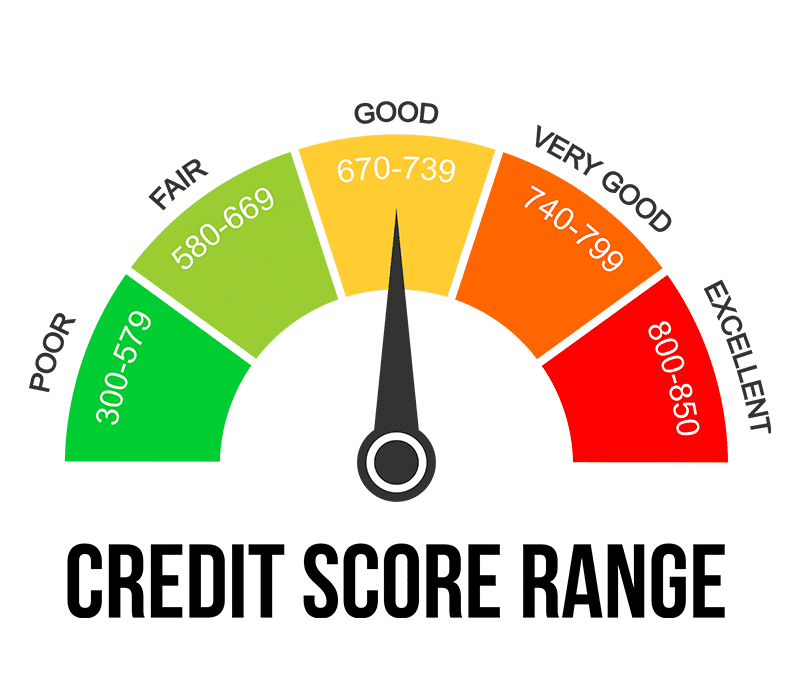
Three-digit number that represents how trustworthy you are with money. It ranges from 300 – 850, and a higher score is better.

Credit Score Ranges
Excellent (750-850): You are considered highly creditworthy
Good (700-749): You have a good credit score and are seen as a reliable borrower
Fair (650-699): Your credit score is acceptable but could be improved
Poor (600-649): You may have difficulty getting approved for loans or credit
Very Poor (300-599): You have a significantly negative credit history

Credit History
Put simply, this is seen as your financial story. It contains information about your past loans, credit cards, and how you’ve paid bills

Why it Matters
Lenders use your credit score and history to decide if they’ll give you a loan or credit card, and what interest rate to charge. Additionally, landlords may check it when you apply to rent a home


It Takes Time

Building Credit
To build good credit, you should aim to pay bills on time, keep credit card balances low, and don’t open too many new accounts at once.

Factors to Consider
Payment History: it is crucial to consistently pay your bills on time
Credit Utilization: Keep your credit card balances low relative to your credit limits
Length of Credit History: A longer credit history can boost your score
Credit Mix: Having different types of credit (e.g., credit cards, loans) can be beneficial 
New Credit: Opening several new credit accounts in a short time can hurt your score

Checking Your Credit
You are entitled to an annual free credit report at the website www.AnnualCreditReport.com. Regularly monitoring your credit lets you catch errors and improve your score.

Play it Smart

Remember, it takes time to build a strong credit history, so start early and be financially responsible. Ultimately, a good credit score helps you get better loan terms and lower interest rates. Therefore, maintaining this will make it easier to achieve any financial goals in the U.S.

Applying for a Credit Card

Your first step should be to research if your bank (in your previous country) operates in the US. If that happens to be the case, you may be able to open an account at one of their U.S. branches. It is also possible that they are even willing to issue you a new credit card. However, don’t be discouraged if this is not the case. There are still many options for you to consider.

Keep in mind that no matter how good your credit scores may be in another country, they typically do not count in the U.S. With zero U.S. credit history, it is likely that you won’t immediately qualify for a conventional credit card. In this case, you may want to apply for cards that are specially tailored for those with low to no credit scores. 

A popular option are secured credit cards, which require a cash deposit and are especially useful for individuals with little to no credit history. Here is a list by https://www.bankrate.com/finance/credit-cards/bad-credit/ that details the 5 best cards for this exact situation 

  1. Secured Chime® Credit Builder Visa® Credit Card
  2. Mission Lane Visa® Credit Card
  3. Capital One Platinum Secured Credit Card
  4. Self-Credit Builder Account with Secured Visa® Credit Card
  5. Discover it® Secured Credit Card

Although obtaining a secured credit card will be a great way to start your credit score/history, it is typically not the most ideal option compared to an actual credit card. Your credit limit will be very low, you will likely face high interest rates, and won’t receive many remarkable rewards, perks, or benefits. 

Patience is key in this process. Before you can upgrade to a better, unsecured card, you have to build your credit into a decent shape. Always keep in mind the tips I gave earlier about keeping a healthy credit score, and good luck!

Credit-Builder Loans

Just like secured credit cards, credit-builder loans are another option to build your credit score. 

It is a small installment loan in which you make fixed payments to a lender, who then reports your payments to credit bureaus (the organizations that track your credit score). The lender holds your money for a predetermined period of time, and will return it once you have completed all of your payments. 

These types of loans typically last from 6-24 months, and range from $300 to $1000. Just remember to make your payments on time!